
ژئوممبران چیست؟
One of the geographic materials used for insulation is called geommomers. In fact, this product is made of polymer materials used in insulation projects instead of similar products. It is also used to insulate the soil pools, and the grocery that hold water and chemicals. The main task of geomembranes is isolation or insulation against fluid penetration and its advantages over bitumen and isogam is that it does not require infrastructure. In fact, it can be said that geomembranes are sheets that are inconsistent and do nothing but fluids. Geomembrane is made up of 1.5 % polyethylene and 1.5 % carbon.
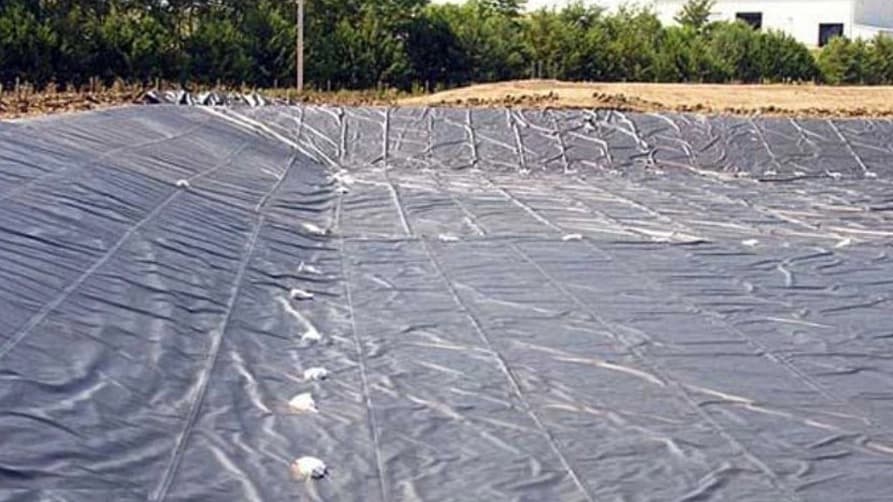
What components are geomembranes?
The most constituent of geomembrane sheets is polyethylene. Polyethylene is a polymer substance consisting of a large number of ethylene. Ethylene has a chain of arrangement and has formed a large polymer molecule. The raw material of polyethylene comes from crude oil. Polyethylene is widely used in the plastics industry and the manufacture of polymer pipes. Polyethylene has an ideal resistance to acidic and playing materials. The sheets are used in the production of these sheets and increase the durability of the sun's ultraviolet and environmental oxidizers by adding stability to the geomembrane formulation.
The advantages of geomembranes
The costs spent on geomembrane pools are less than the costs spent on concrete or stone and cement pools and are actually reduced.
Geomembrane sheets have higher insulation than other conventional coatings.
Resistant to corrosive materials.
It has high tensile strength.
It has high resistance to frost and sunlight.
Less time to build geomembrane pools than concrete pools.
is highly resistant to events such as earthquakes, fires, ultraviolet radiation, algae, and acids. It is economically cost -effective towards cement and concrete. It prevents land salinity from entering water. Resistant to a--e ° C and +1 degrees Celsius. It has many environmental benefits in terms of ingredients. It is also resistant to the removal of plastic material from geomembrane coating due to heat or sublimation. Geomembrane sheets are rolls and are manufactured with 1, 2/5 mm and 2 mm thickness in 1 to 2 meters long and 1 to 2 meters wide. It is also resistant to dissolution. Moss and algae do not adhere to the floor and wall of the geomembrane pool, as it is quite standard for drinking water storage tanks.
The usual uses of geomembranes
1. Wastewater pool cover. 2. Landfill liner. 1. Barriers to gas or steam under the buildings. 1. Covering around underground storage tanks.
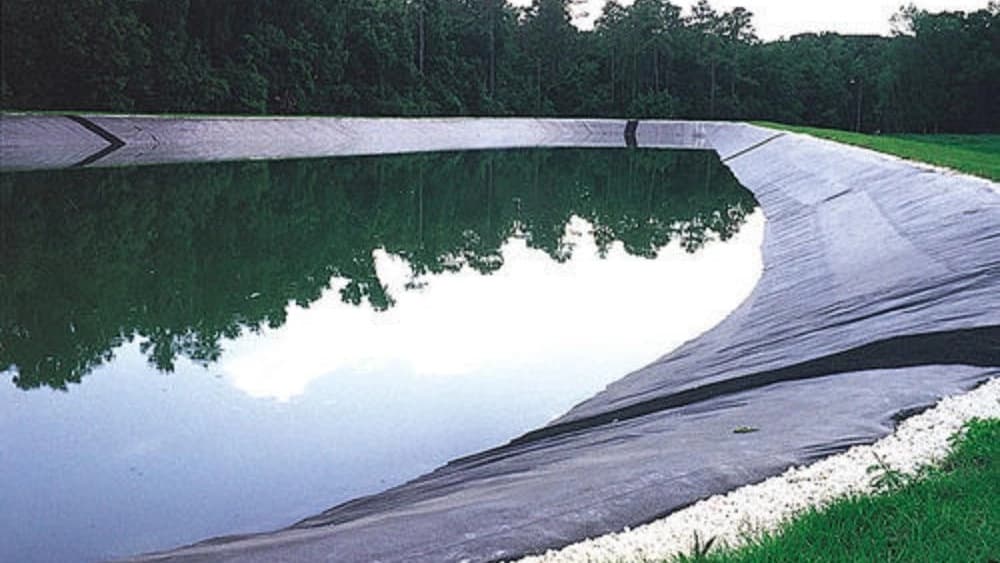
The applications of these sheets are categorized into three general groups: Waterproof Protection Separation and isolation.
The price of geomembranes
Currently, due to the high fluctuations in the currency market and the constant change in the price of polyethylene materials, the price of geomembranes is not fixed. If you are planning to order geomembrane sheets, you can contact the Alborz Water Support Unit, the project area and the amount of sheet you need and find out the final price. Remember that the price of each sheet depends on its thickness, depending on the sex and variety of materials used in its construction.